

Skip to content
General Health

When to See a Doctor for Fever

Learn which fever symptoms can be monitored at home, which need a medical review, and when urgent care is important.

By Arogya Multispeciality Clinic
· 4 min read
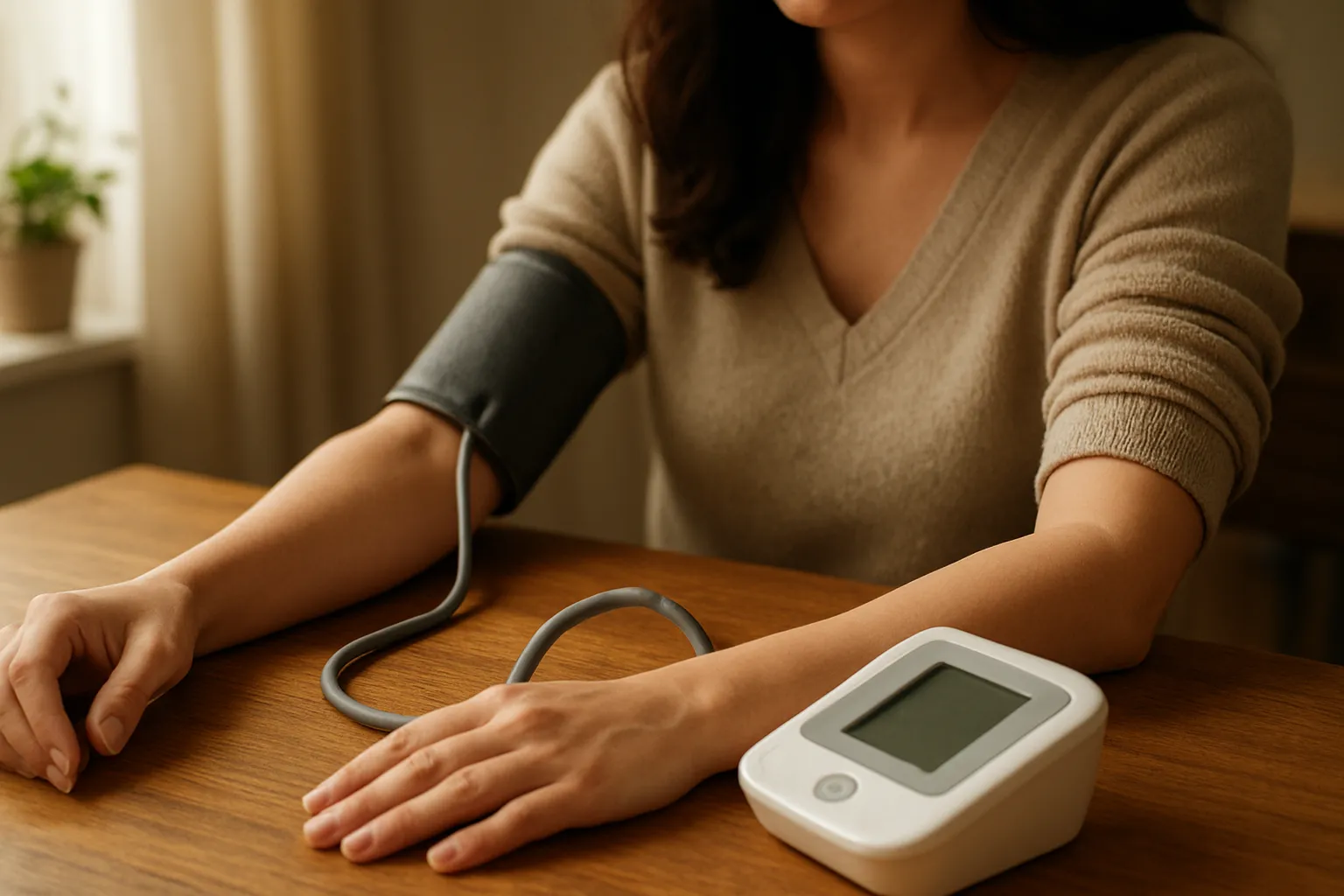
Photo illustrating: When to See a Doctor for Fever

Fever is a common response to infection, but the number on the thermometer is only part of the picture. How long the fever lasts, how the person feels, and what other symptoms appear all help determine the right next step.

This guide explains when supportive care at home may be reasonable, when to contact a doctor, and which warning signs require urgent medical attention. It is general information and does not replace an examination or personalised medical advice.

Key takeaways

  • Fever should be assessed together with the person’s overall condition and other symptoms.
  • Fluids, rest, and correctly used medicine can support comfort when home care is appropriate.
  • Persistent or worsening fever, dehydration, breathing problems, and unusual behaviour need medical attention.
  • Very young infants and higher-risk people may need earlier assessment.
  • Seek urgent help for serious breathing, neurological, circulation, or dehydration warning signs.

What fever means

Fever is a rise in body temperature that commonly occurs when the immune system responds to an infection. Colds, flu, stomach infections, urinary infections, and other conditions can cause it. A thermometer reading should be considered alongside symptoms, age, medical history, and recent travel or exposure.

People can also feel hot, chilled, tired, achy, or sweaty. Some illnesses cause only a mild temperature rise, while others may cause a more noticeable fever. Avoid relying on touch alone; use a reliable thermometer and record readings if the fever continues.

When home care may be appropriate

If the person is alert, drinking fluids, breathing comfortably, and gradually improving, rest and observation may be reasonable for a short time. Encourage frequent fluids and light clothing, and allow adequate rest. Food can be offered as tolerated; forcing meals is usually unnecessary.

Use fever-reducing medicine only as directed on the label or by a healthcare professional. Check the correct product and dose for children, and do not give aspirin to children or teenagers unless a clinician specifically advises it. Never use leftover antibiotics or share prescription medicines.

When to contact a doctor

Arrange a medical review if the fever is persistent, keeps returning, or is getting worse rather than improving. Contact a doctor sooner if there is significant pain, repeated vomiting, dehydration, a widespread rash, pain while passing urine, a severe cough, or an underlying condition that may increase risk.

Young children, older adults, pregnant people, and people with weakened immune systems may need earlier advice. Infants, especially very young babies, should be assessed promptly for a fever according to local medical guidance. If you are unsure, call a healthcare professional rather than relying only on the thermometer reading.

Warning signs that need urgent care

Seek urgent medical help for trouble breathing, chest pain, confusion, unusual difficulty waking, a seizure, a stiff neck with severe headache, blue or grey lips, severe dehydration, or a rapidly spreading or purple-looking rash. Sudden severe weakness or a marked deterioration also needs prompt attention.

Do not wait for the fever to settle if the person appears seriously unwell. In an emergency, contact local emergency services or go to the nearest emergency facility.

What to note before a consultation

  • Record the temperature, how it was measured, and when the fever began.
  • List other symptoms, medicines taken, allergies, and relevant medical conditions.
  • Note fluid intake, urination, recent travel, sick contacts, and any new rash.
  • For a child, note alertness, breathing, feeding or drinking, and wet nappies or trips to the toilet.

Frequently asked questions

How long should I wait before contacting a doctor about a fever?

There is no single time limit for everyone. Contact a doctor if the fever persists, returns, worsens, or is accompanied by concerning symptoms. Seek advice sooner for infants, older adults, pregnant people, and those with weakened immunity or significant medical conditions.

Should I always try to bring a fever down?

The aim is usually comfort and safe hydration, not simply a normal thermometer reading. Rest, fluids, and an appropriate fever-reducing medicine may help when used as directed. Ask a healthcare professional if you are unsure which medicine is suitable.

When is a child’s fever an emergency?

Get urgent help if a child has difficulty breathing, is difficult to wake, has a seizure, severe dehydration, a stiff neck, a concerning rash, or looks seriously unwell. Very young babies with a fever should receive prompt medical advice.

Can antibiotics treat a fever?

Antibiotics treat some bacterial infections, not viral illnesses, and should only be taken when prescribed for the specific situation. Do not use leftover antibiotics or someone else’s medicine.

Need Fever Advice?

Contact Arogya Multispeciality Clinic in Hyderabad for a professional assessment when a fever is persistent, worsening, or worrying.

Arogya Multispeciality Clinic
Comprehensive medical services with expert doctors and compassionate care for your family’s health.
Our services →
Share this article WhatsApp LinkedIn
← All posts