
Skip to content
Chronic Care

How to Manage Blood Pressure at Home

Practical, safe steps for monitoring blood pressure at home, supporting heart health, and knowing when to contact a doctor.

By Arogya Multispeciality Clinic
· 4 min read
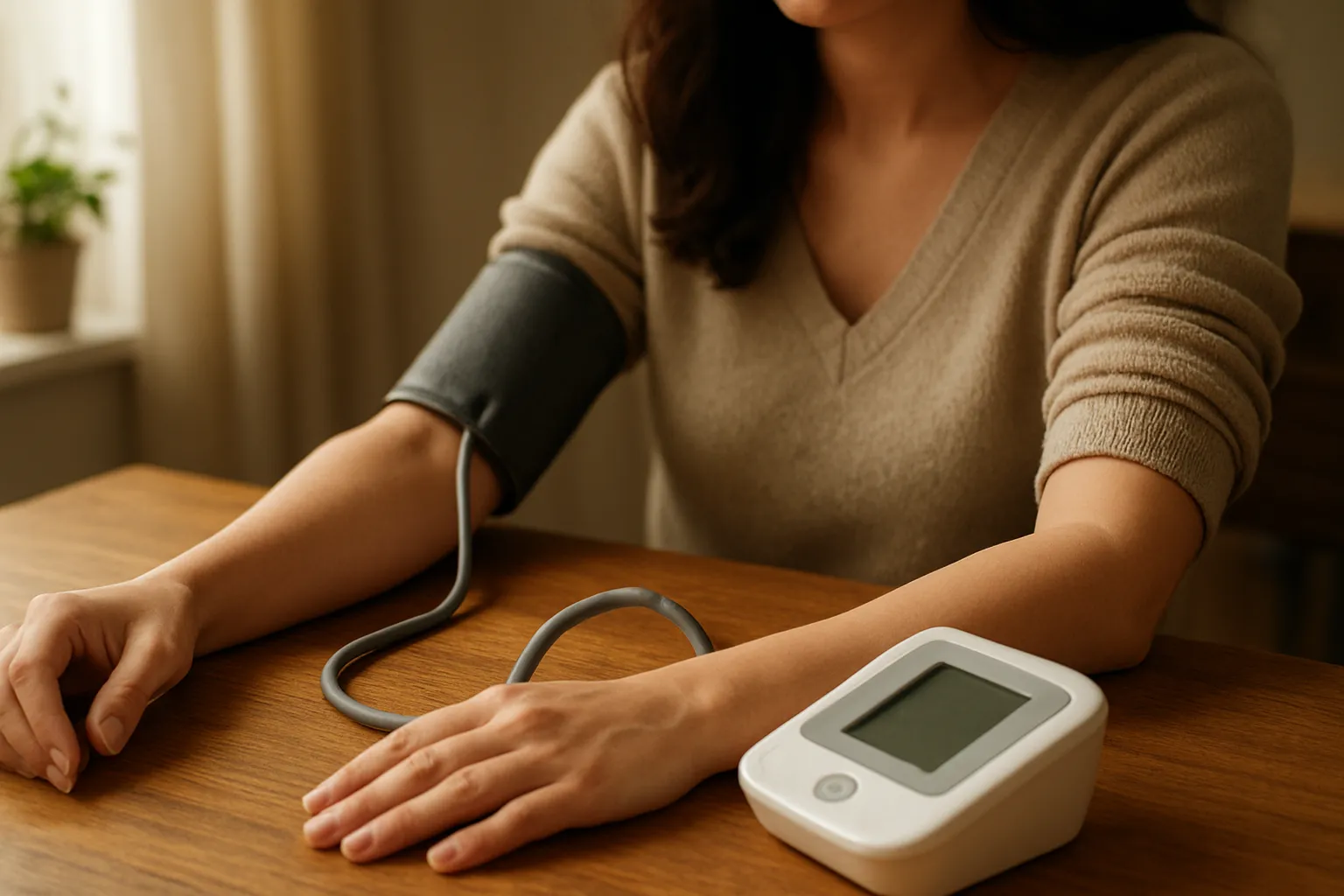
Photo illustrating: How to Manage Blood Pressure at Home

Managing blood pressure at home is a daily process, not a substitute for medical care. This guide is for adults who want a clearer routine for home monitoring, healthy habits, and follow-up.

You will learn how to take more consistent readings, support treatment with practical lifestyle choices, and recognise symptoms that need prompt medical attention. If you have been prescribed medicines, continue them exactly as directed by your doctor.


Key takeaways

  • Consistent technique and a written log make home readings more useful.
  • Never start, stop, or change blood-pressure medicine without medical guidance.
  • Balanced food choices, activity, sleep, and stress management support treatment.
  • Repeatedly unusual readings or concerning symptoms deserve prompt medical advice.
  • Emergency symptoms with a very high reading require urgent care.

Build a reliable home-monitoring routine

Use a validated upper-arm monitor if your doctor recommends home checks. Before measuring, avoid exercise, caffeine, and smoking for about 30 minutes, empty your bladder, and sit quietly for several minutes. Keep your back supported, feet flat on the floor, and arm resting at heart level. Place the cuff on bare skin and follow the device instructions.

Take readings at a consistent time when possible. Record the date, time, readings, and any relevant symptoms or medication changes. A single high reading does not always show the full picture; share your log with your healthcare professional rather than changing treatment on your own.

Take medicines safely

Take blood-pressure medicines according to the prescribed schedule, even when you feel well. Do not stop, double a dose, or change a medicine without medical advice. Tell your doctor or pharmacist about over-the-counter pain relievers, cold medicines, supplements, and herbal products, because some can affect blood pressure or interact with treatment.

If you miss a dose, check the medicine instructions or ask a pharmacist what to do. Discuss side effects early so your treatment can be reviewed safely.

Support heart health with everyday habits

  • Choose more vegetables, fruit, whole grains, beans, and other balanced foods, while limiting excess salt and highly processed foods.
  • Stay physically active in a way that suits your age and health. Start gradually if you have been inactive, and ask your doctor what level is appropriate.
  • Aim for a regular sleep routine and use practical stress-management habits such as walking, breathing exercises, or relaxation time.
  • Avoid tobacco and limit alcohol if you drink. Ask a healthcare professional for support if changing these habits is difficult.
  • Keep follow-up appointments so your readings, medicines, and overall risk can be reviewed together.

Know when to seek medical help

Contact your healthcare professional if readings are repeatedly above your personal target, if your numbers change unexpectedly, or if you develop troublesome medicine side effects. Your target may depend on your age, health conditions, pregnancy status, and treatment plan.

Seek emergency care for a very high reading accompanied by symptoms such as chest pain, trouble breathing, severe headache, confusion, weakness or numbness, vision changes, or difficulty speaking. Do not delay care while repeatedly checking the monitor.

A simple weekly checklist

  • Check your monitor and cuff fit according to the manufacturer’s guidance.
  • Measure on the schedule recommended by your clinician.
  • Record readings, symptoms, medicines, and questions for your next visit.
  • Review your log rather than reacting to one isolated number.
  • Bring the monitor and record to an appointment if your clinician asks you to check technique.

Frequently asked questions

How often should I check my blood pressure at home?

Follow the schedule recommended by your doctor. The right frequency depends on your condition, treatment, and whether your medicine is being adjusted.

What should I do if one reading is high?

Sit quietly and repeat the measurement using correct technique. Record both readings. If it remains unusually high or you have concerning symptoms, contact a healthcare professional promptly.

Can I stop my medicine when my readings improve?

No. An improved reading may mean the treatment is working. Only your doctor should decide whether a medicine or dose needs to change.

Can lifestyle changes replace blood-pressure medicine?

Healthy habits can support treatment, but they may not replace prescribed medicine. Discuss any treatment changes with your doctor.

Should I bring my home monitor to an appointment?

Ask your clinician. Comparing your monitor with office equipment and reviewing your technique can help identify measurement problems.

Review Your Blood Pressure Plan

Contact Arogya Multispeciality Clinic in Hyderabad to discuss your readings, symptoms, and next steps with our healthcare team.

Arogya Multispeciality Clinic
Comprehensive medical services with expert doctors and compassionate care for your family’s health.
Our services →
Share this article WhatsApp LinkedIn
← All posts